
The Limits of Heroism
Voices from ChernobylThis flow traces how the book honors sacrifice while questioning the institutions and myths that made sacrifice seem inevitable.
increasing Bearing strength in each event
 decreasing
Bearing strength in each eventdecreasingRaised for Service

Raised for Service
A Cultural Preparation
Many narrators grew up with war stories, military discipline, and ideals of service to the motherland. They learned to understand danger through sacrifice and collective duty.
A Ready Vocabulary
When the accident came, people had familiar language for heroism but little preparation for invisible contamination. Their inherited ideals could give purpose while limiting self-protection.
Volunteers Step Forward
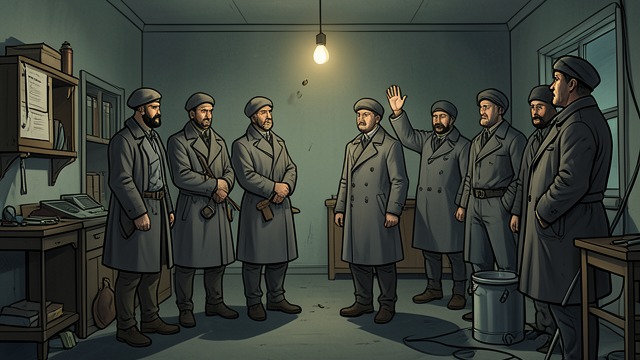
Volunteers Step Forward
Courage in Confusion
Workers volunteered or accepted orders because they believed their labor mattered. The desire to help was real even when the nature of the task remained unclear.
A Costly Ideal
The willingness to sacrifice could save lives and also expose workers to preventable danger. The narrative holds these consequences together rather than reducing courage to propaganda.
The Green Robots
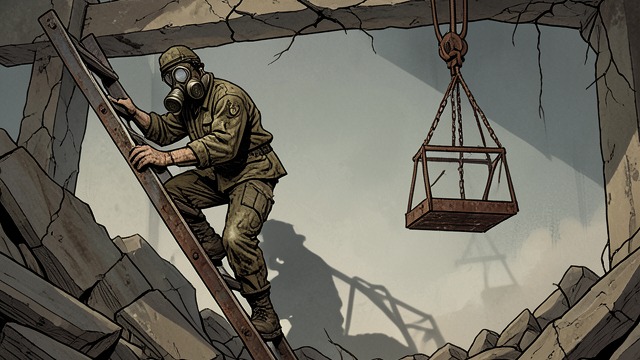
The Green Robots
Machines Fail
High radiation disrupted electronic equipment, forcing reliance on soldiers for dangerous roof work. Human workers became a substitute for machines that could not function.
A Heroic Image
The soldiers were praised as reliable replacements, yet the metaphor reveals how a state could treat people as equipment. Their courage and their instrumental use are inseparable parts of the story.
The Story of Victory
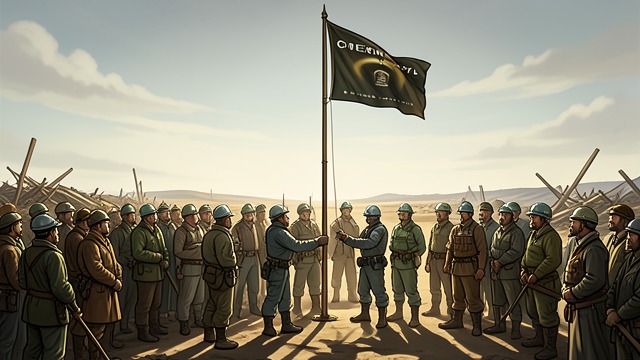
The Story of Victory
A Triumph Narrative
Newspapers and political officers described the cleanup as a courageous battle that would be won. Flags and awards translated hazardous work into public proof of national endurance.
What Victory Conceals
The language of victory did not answer who had been exposed or why the reactor required such sacrifice. It made a continuing disaster sound like a completed contest.
Honor Without Absolution
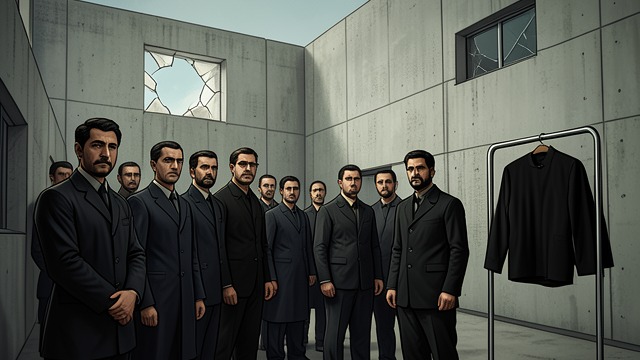
Honor Without Absolution
The Workers Remember
Former liquidators remember solidarity, usefulness, and the conviction that others had depended on them. Their pride is part of their experience and deserves recognition.
Institutions Remain Accountable
The same testimonies condemn poor protection, secrecy, and the unnecessary use of human labor. Honoring the workers does not absolve those who made their sacrifice seem unavoidable.
Before the Chernobyl accident
The first cleanup mobilization
During reactor roof operations
The months after the accident
The decade after 1986
